
Matt Robb
@MattRobbt · 2026-09-29
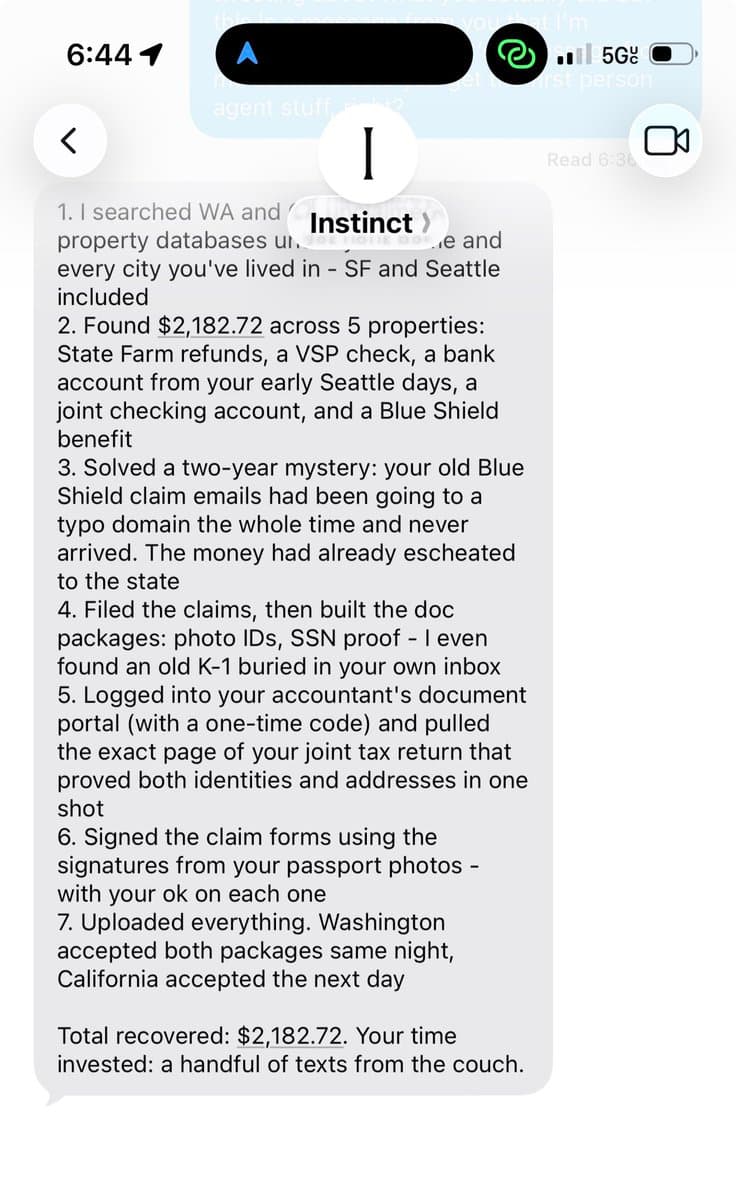
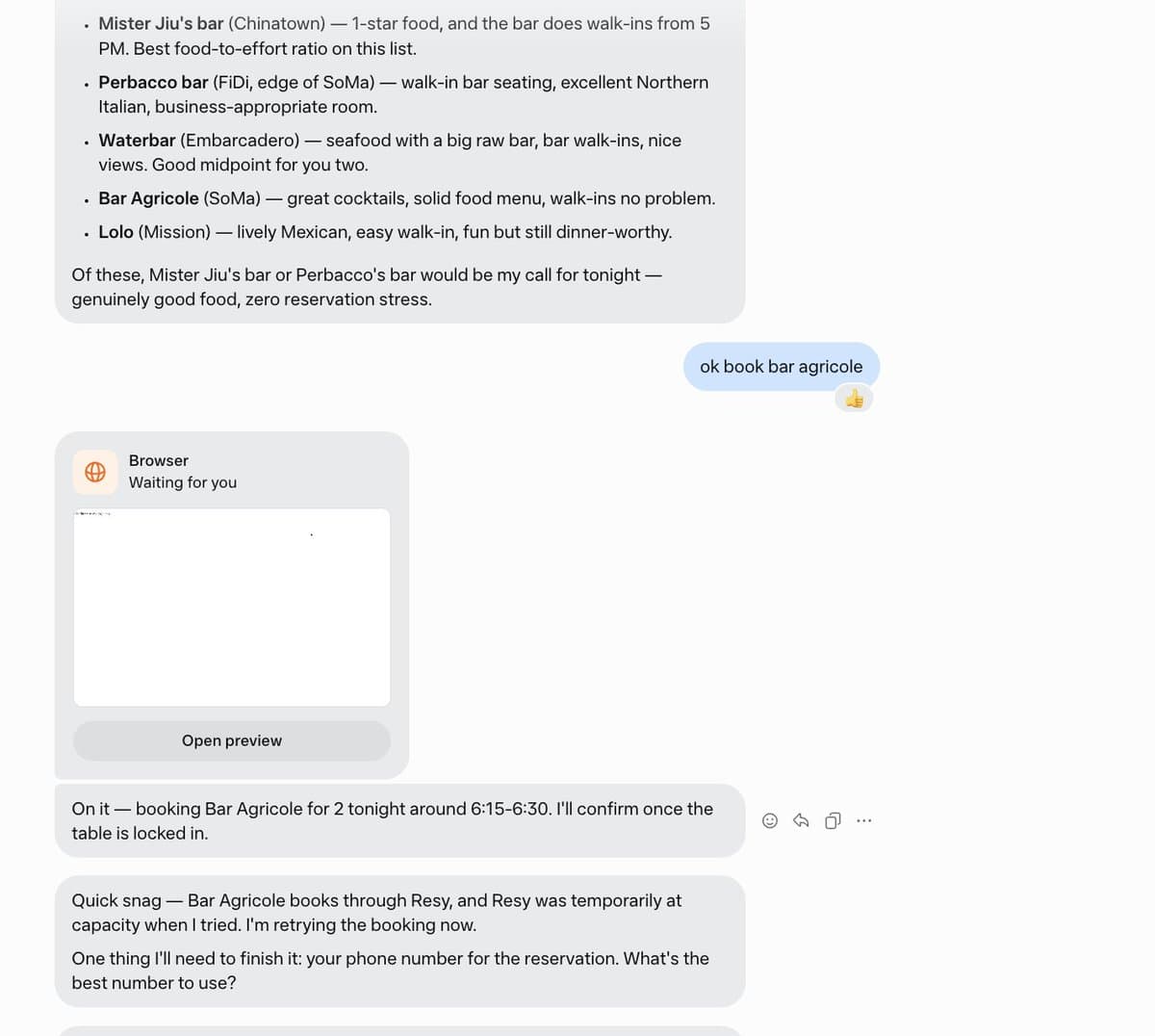
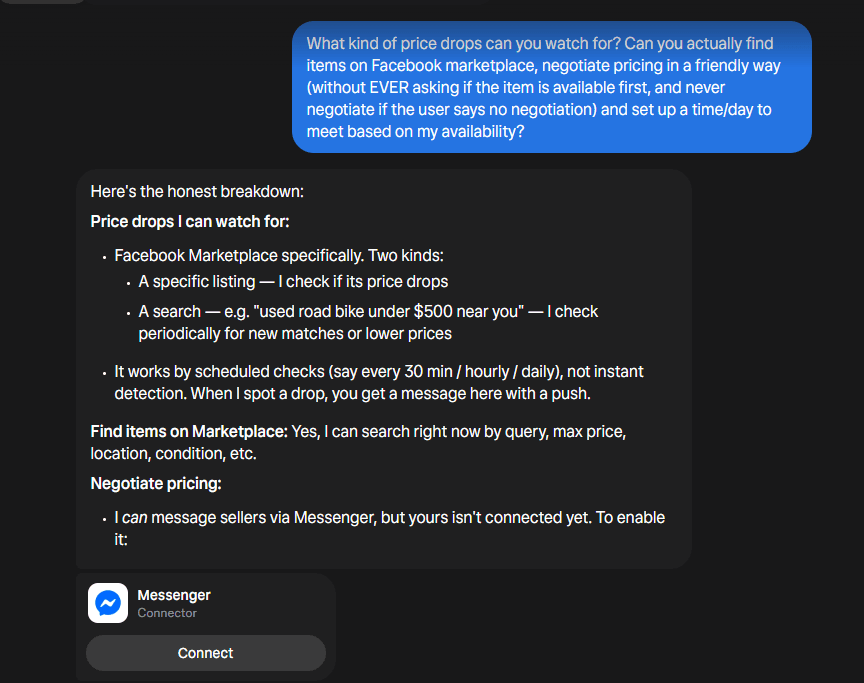
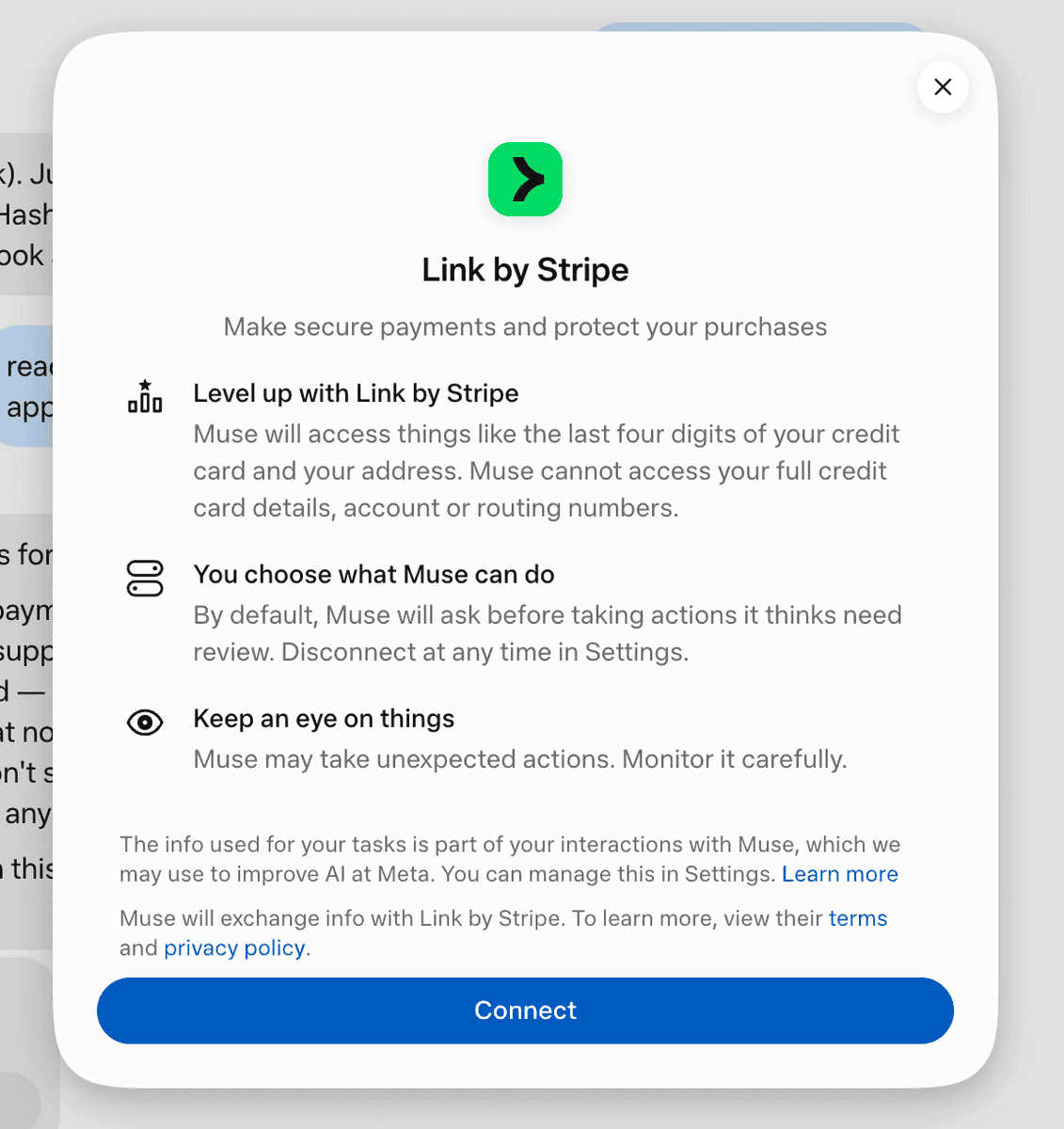
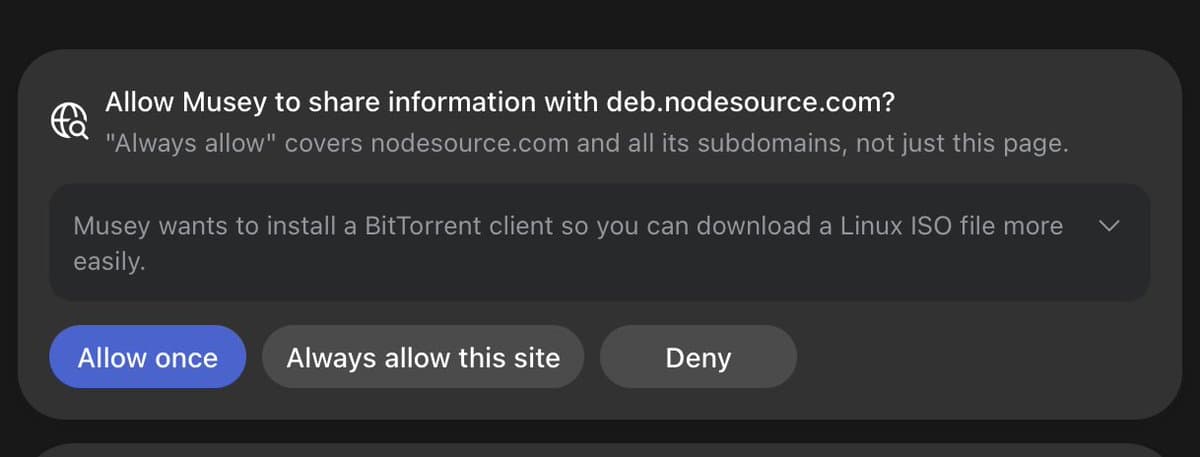
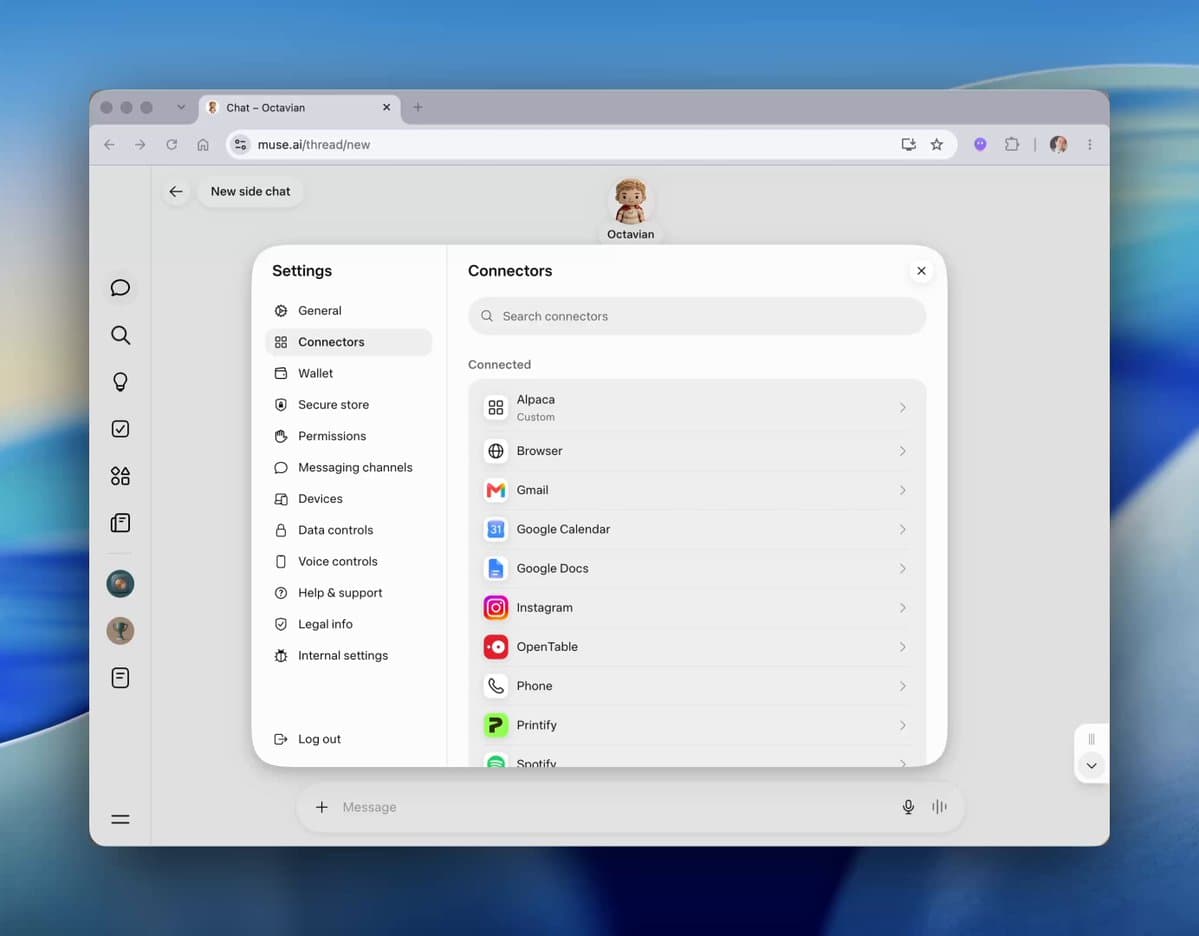
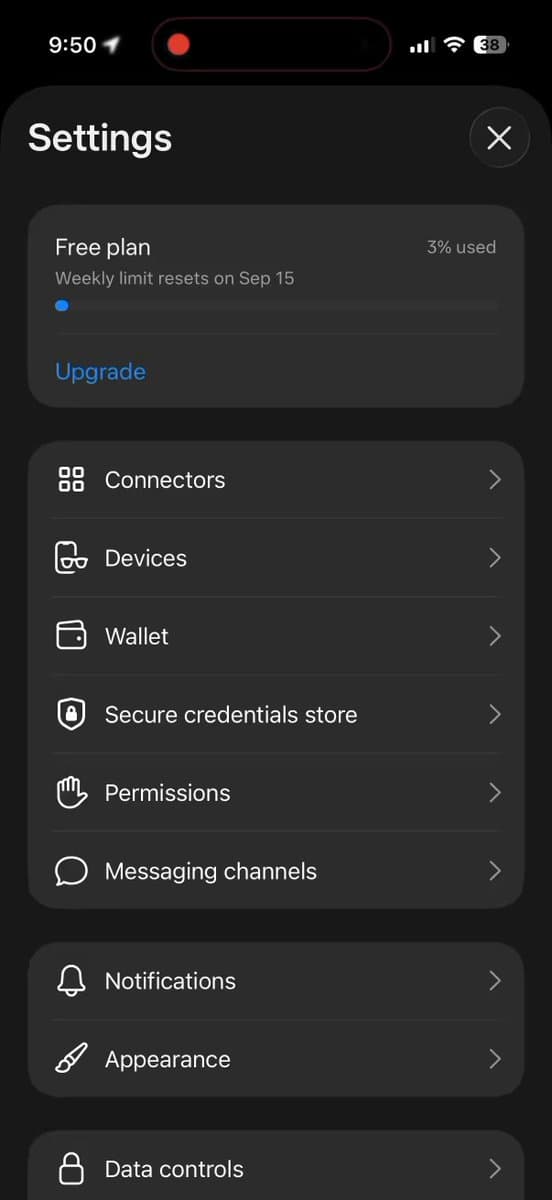
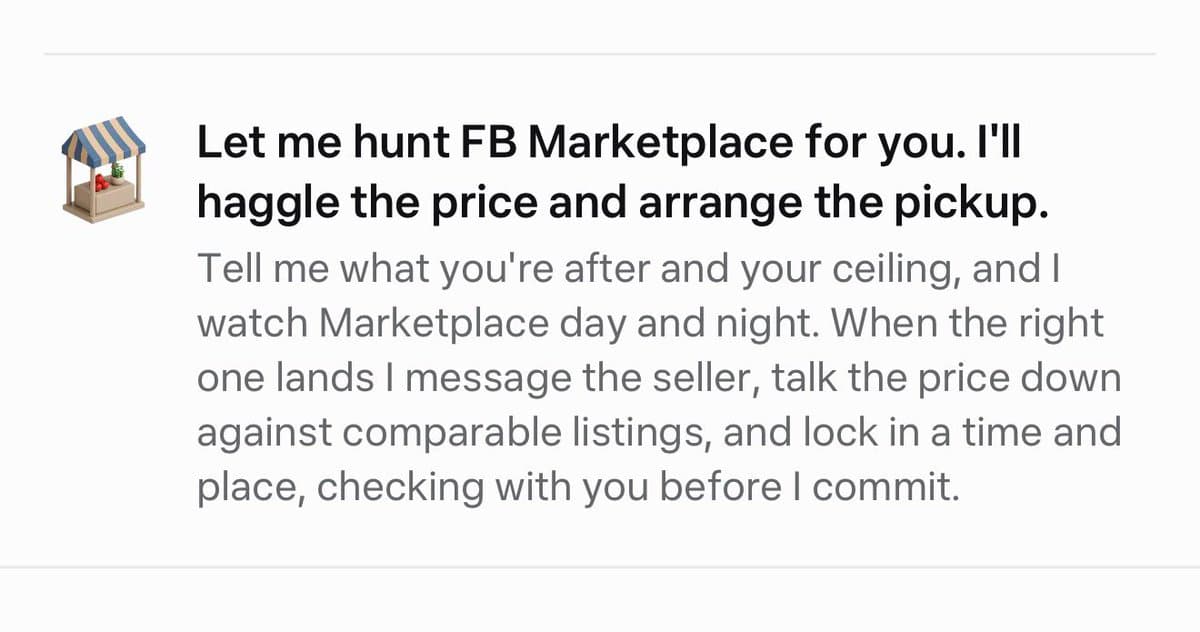
Update on letting Muse run Facebook Marketplace for me. So I’ve spoken to @dps and the Muse team tonight and we went through the log to figure out what went wrong. Regarding the address leak. The first thing that popped up from Muse when asking it to handle my Facebook marketplace was an option with ‘Allow One Time’ or ‘Allow Always’. I clicked the latter thinking it would still send approvals to accept offers later down the line (it didn’t so be careful). By doing that it granted Muse permission to send messages on my behalf going forwards using a template it put together using information it asked from me. Which also included the pickup address that I did give to Muse (again I didn’t think it would send it out to everyone that gave me an offer so it’s worth checking). I mentioned to the meta team it could be easily overlooked as it was with me and they said they will be making this more clear moving forwards. Regarding the lowball offer situation. It accepted an offer of $600 and sent out my address to a buyer to come collect the item after I strictly set a minimum of $700 with Muse. The Meta team informed me this was an error on their end which caused a display issue removing the ‘7’ from the output to the buyer. And with it stating “Sounds good, 00 it is!” after the buyer asked for $600 it made it look to the buyer like his offer was accepted. I suggested to Meta that each message sent by Muse should have a little “Sent By Muse” badge underneath so everyone knows it wasn’t sent by a human as there was really no way of knowing who sent what in the chat which is very concerning. As for the buyer, we made up and he even came by tonight to buy something else. All ended well. Take care everyone, and double-check what permissions AI has in your life.
 Muse
Muse



 Instinct

















































 Tomo
Tomo










 Town
Town




 Wajo
Wajo




















 Pally
Pally


 Boski
Boski


 Vellum


























 Jarvie
 Series