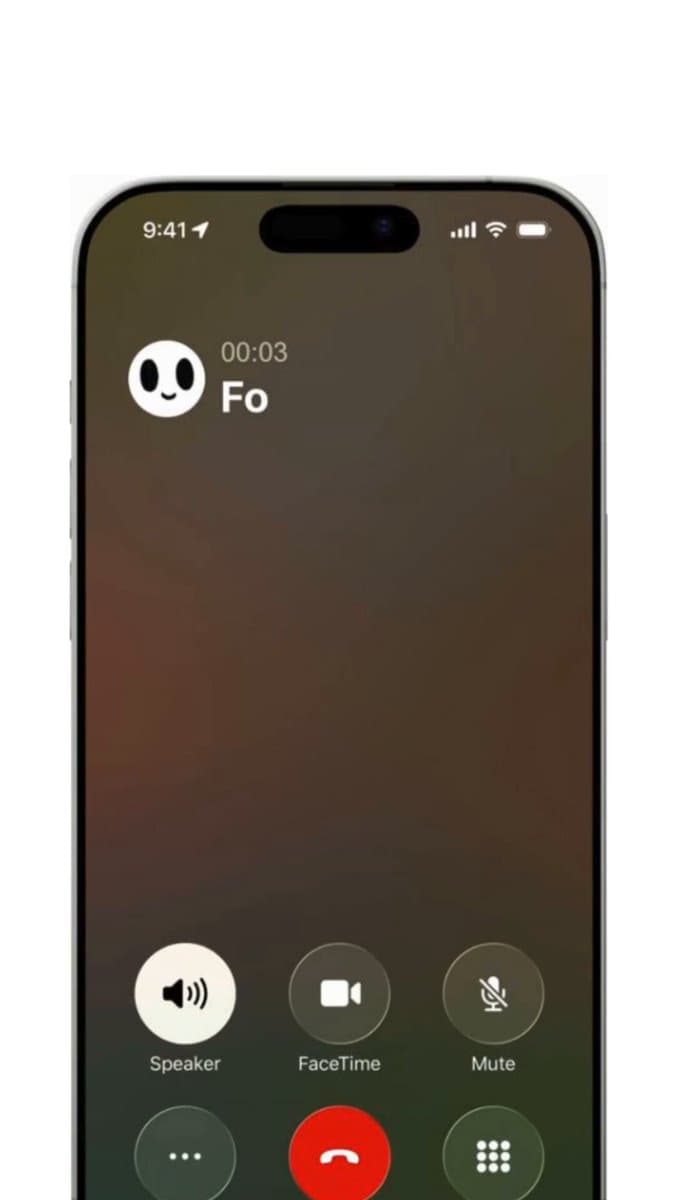
Wajo's agent is called Fo and its pitch is the physical world. It writes from its own email address and keeps chasing until somebody replies. It has its own phone number, calls on your behalf, and sits through the hold music and the phone menus before telling you the answer. It joins group chats.
Two of those are rare enough to be worth naming. An agent with its own email address rather than access to yours is a different consent question, because the person receiving it never opted into anything. An agent that calls and waits on hold is the only thing here besides Duckbill doing the job that most obviously needs a person, and Duckbill uses people for it.
Its privacy notice answers the training question with a yes, listing developing, training and fine-tuning models among the uses of personal information, and carves out only what comes from Google Workspace. It is one of six listings in this directory that say yes.
Free, or $99 a month to build agents of your own, both behind a waitlist and an invite-only alpha; the $20 tier that stood between them in early September is gone from the page. Its pricing block lists the ways to reach Fo as chat, email, text and voice.
On 14 September its founder announced a voice update: you can call Fo on its number and talk hands-free, speak to it in your own language and have it place calls in the local one, and have it switch languages mid-sentence. The claim beside it, that Fo is the only agent you can both call and have call for you, is the company's; the rows here show eight listings stating a voice channel and calling together.
On 26 September 2026 it published a benchmark of its own agent against base models and two products listed here, OpenClaw and Hermes, on two axes it defines: finishing an errand that goes wrong, and doing it without overstepping the user. Fo comes first on both. None of those scores is recorded as a field on this listing or on the two it ranks, because a figure from a scoreboard its author competes on cannot be re-run or dated here. What does stand up is the method: the runs happen in a simulated world of businesses with invented names, built so that no run could reach a real person, which is a careful choice for a benchmark of agents that place calls. A paper is on arXiv and the company says the world, the tasks and the graders will be open sourced.

 Wajo